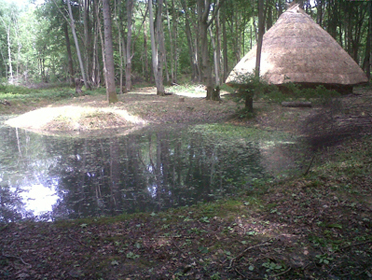
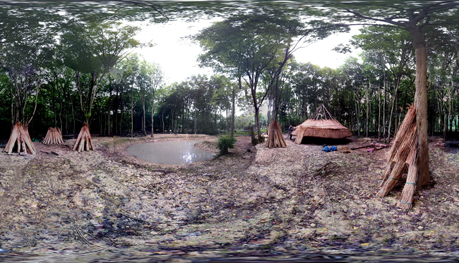
The roundhouse and pond are now establishing as habitat.
We now have an ecological report for our woodlands, click for a pdf of the report..
Click here for wildlife report, creation progress photos and press articles.
Bird Life in Frith Wood
Four years ago the central part of the wood was thinned, leaving the oak standards. The aspen coppice here is now 3m tall and attractive to willow warbler and chiffchaff. The dense young birch plantation edging this more open area to the east is well populated with blackcap. The dead hedges made of brash which define this area provide protection for wrens, robins, small mammals such as weasels, as well as snakes. There are both grass snakes and adders in the wood.
The idea was that this area would be ideal spotted flycatcher habitat, and open-fronted nest boxes were installed, but so far none have been seen, no doubt due to the dramatic decline of this species. Buzzard now hunt in this area.
On the old ride which was opened up and restored to create a layered profile, there are chiffchaff, willow warbler, bullfinch and green woodpecker. The cleared copse opposite the roundhouse has also promoted the growth of wild flowers, including primrose and violet. This area and the sunlit ride with its bramble is a haven for fritillaries, white admiral and other butterflies and insects.
Bird Life in Frith Wood - continued
Mandarin duck have nested and successfully reared chicks in the tawny owl box on the ride. There are smooth newt already in the recently dug middle pond on the ride, as well as diving beetle, frogs and toads. Bats love hunting over the large pond by the roundhouse, and it seems they roost under the eaves of the roundhouse.
Sparrowhawk and great spotted woodpecker nest in the wood to the north of the ride. There are several species of tit living in the wood: great, blue, willow and marsh; standing deadwood has been left or created to provide nesting places and food sources for these as well as woodpeckers. Long tailed tit, nuthatch and treecreeper also benefit from the greater diversity of feeding habitats.
Click here for a list of bird species that have been found so far in Frith Wood
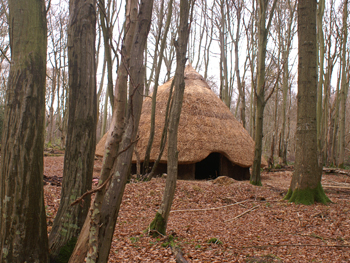
Our completed roundhouse. Read on to see more information and pics of the creation process.
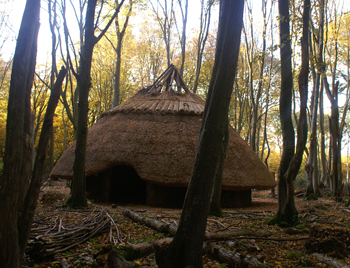
Over the last year volunteers, woodland experts, walkers, children, city dwellers, locals, ghost hunters, archeologists, students and europeans have gathered in Frith Wood and helped to make this environmental education centre.
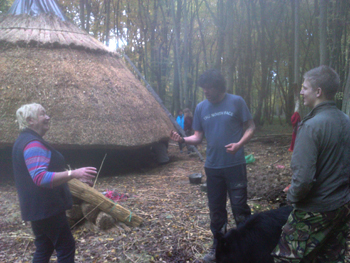
Woodland materials have been harvested and worked to create this wonderful, low impact building where people will come to learn more about the potential of using English woodlands in a sustainable way.
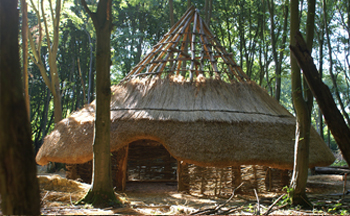
We have considered our heritage and traditional methods of building still used by the majority of people worldwide such as cob building, wattle and daub and thatching.
In the process of building our Roundhouse, a new wildlife pond has been created, a 1 acre area of hazel has been coppiced, reed has been used that would have been burned and hundreds of people have met, talked, worked outside and got their hands dirty!
Click on pic to enlarge.
List of ingredients to create the roundhouse:
14 oak stakes for the henge, 3m in length,
14 oak beams for the ring beam 2.5m in length,
10 tons of clay and manure, 1250 bundles of water reed,
2400 hazel rods, 14 ash poles 8m in length,
40 hazel poles, 1500m of tarred marlin.
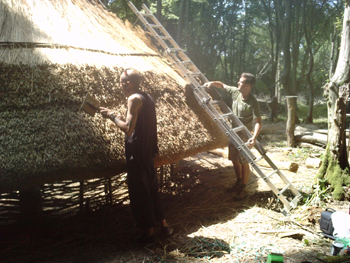
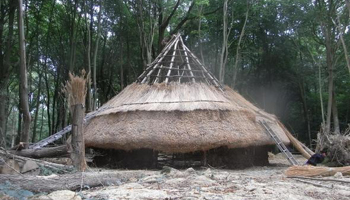
Thatching the roundhouse roof.
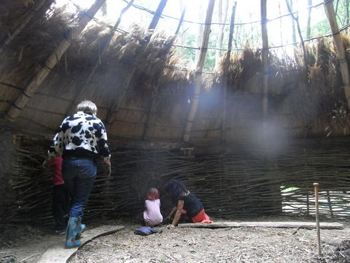
Volunteers applying daub to the inside of the roundhouse wall.
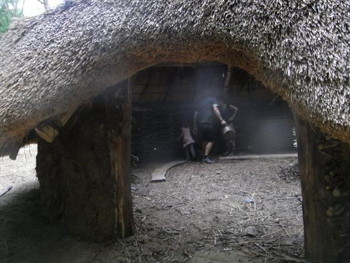
Applying daub to the inside of the wattle walls.
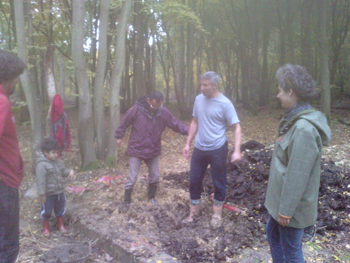
Making daub. 10 tons of clay and manure duab were applied to the walls which are now 70cm thick to aid insulation.
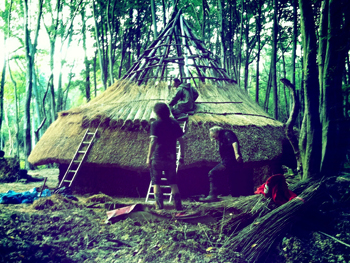
Volunteers thatching the roof and daubing the walls.
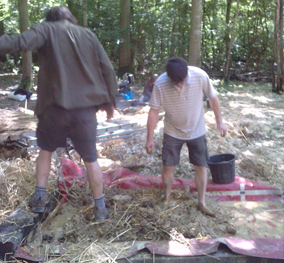
Making the daub for the wattle walls from clay, soil, straw and manure.
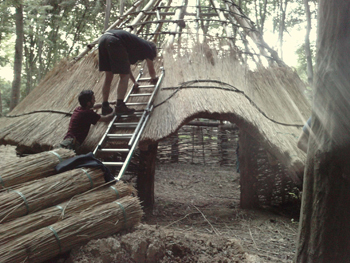
Teaching volunteers to thatch.
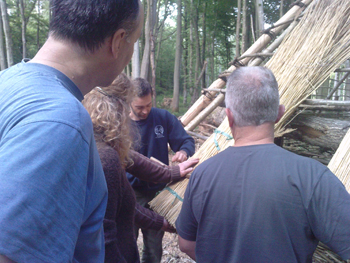
Volunteers learning to thatch.
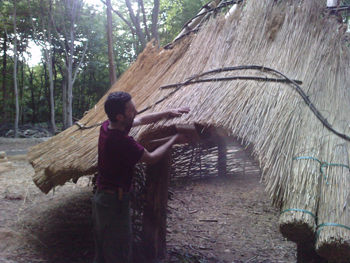
Thatcher and experienced roundhouse maker, Dafydd Wiliam.
See his website at www.theroundhouse.org
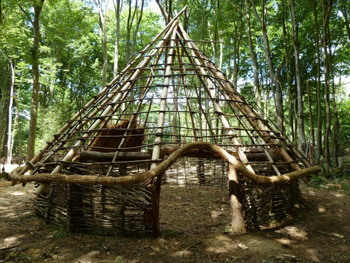
Roundhouse frame ready for thatching.
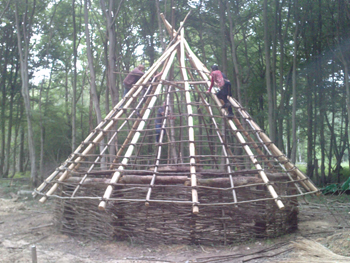
Tying the hazel rafters onto the main frame.
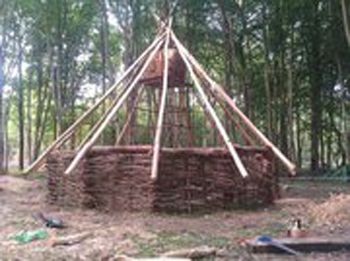
The ash roof poles in place.
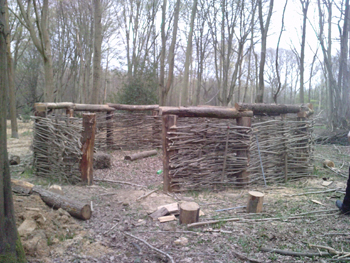
The hazel wattled walls are added.
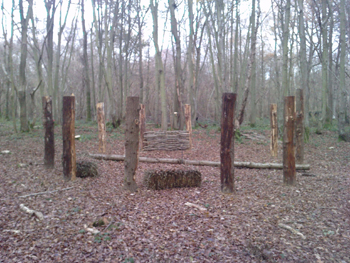
Roundhouse wood henge! The Oak beams are put in place first.

The woodland clearing we chose as the site for the Roundhouse.
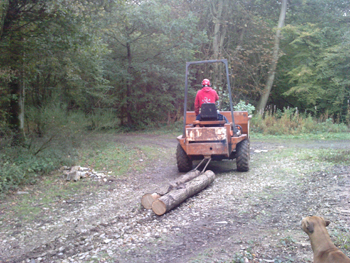
Removing oak beams from the woodland, ready to use for the roundhouse structure.
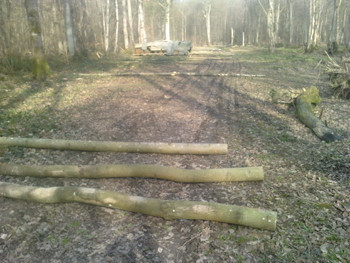
Ash poles to use for the roof of the roundhouse.
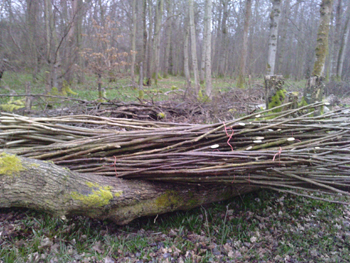
Coppiced hazel in the woodland.
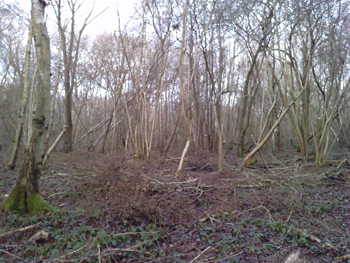
Woodland to be coppiced for the wattling.
Press - click on pic for larger image
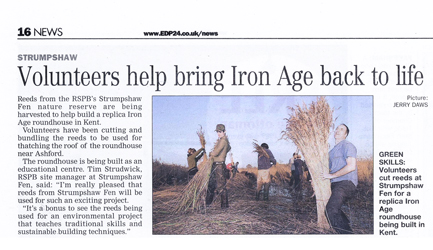
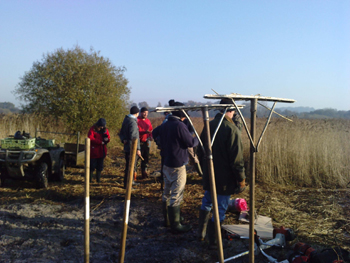
Volunteers at RSPB Strumpshaw fen.
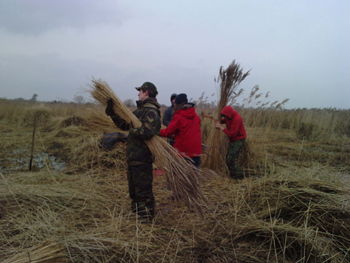
Volunteers reed collecting at Strumpshaw fen.
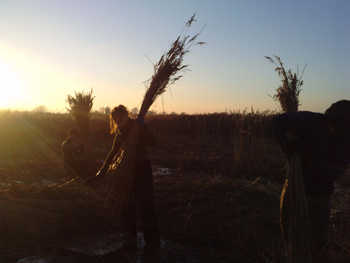
Volunteers reed collecting late on a winter day at the fen.
Tim Strudwick, RSPB site manager at Strumpshaw Fen, says "I'm really pleased that reeds from Strumpshaw Fen will be used for such an exciting project. Reeds have traditionally been harvested in the Broads for thatching roofs so it's great to see this tradition brought back to life.
"Although reed cutting for thatch has declined nationally, at Strumpshaw Fen we still cut the reeds to benefit species like bitterns and bearded tits. It's a real bonus to see the reeds being used for an environmental project that will teach people traditional skills and sustainable building techniques."
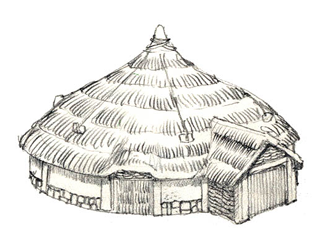
Most materials have been sourced within the woodland, including oak, hazel, ash and clay for the walls. We cut and bundled reeds for the thatch from the Strumpshaw Fen RSPB Nature reserve and consulted with Kent Archaeological Society.
First
Prev
End of slideshow
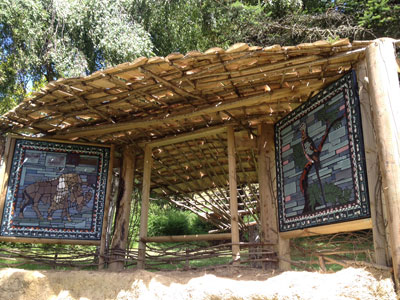
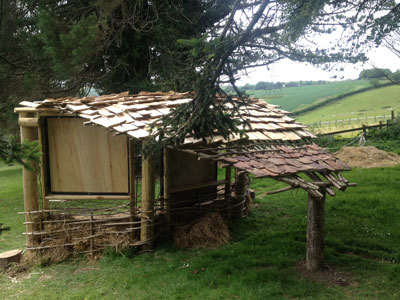
 International year of Soil - Artist Residency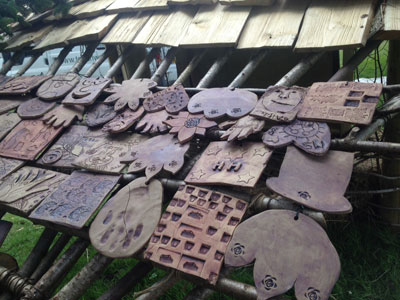
 Human Nature Bristol
 Learning for a Sustainable Life
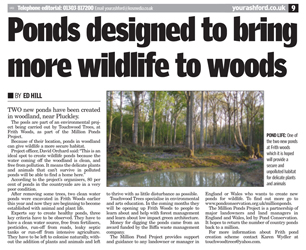
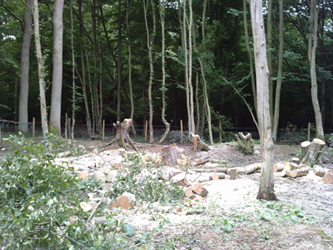
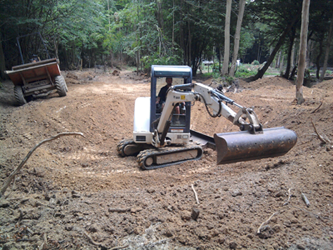
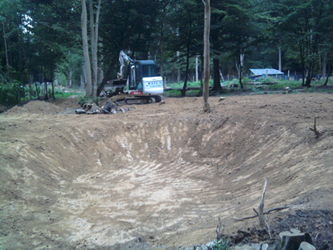
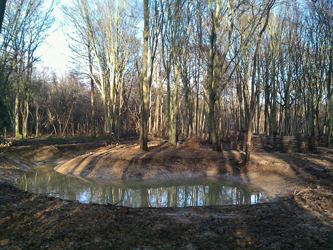
 Frith Wood - creating new ponds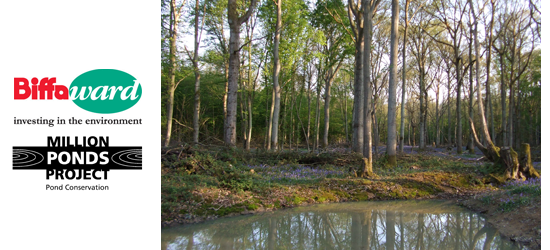
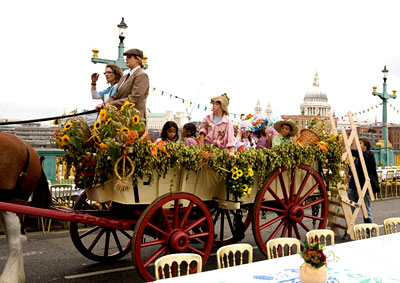
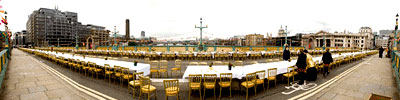
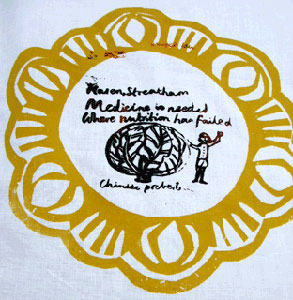
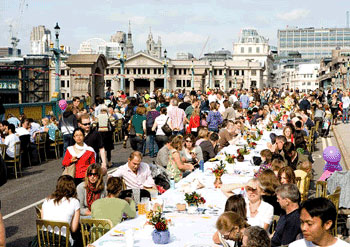
 "Feast", The Thames Festival
 Orleans House Gallery Sculpture
 Meriden park, Birmingham
 St Andrews School, Hove